AI Daily Newsletter: Gemini Staff Flock to Anthropic and Qualcomm Acquires Modular
Table of Contents
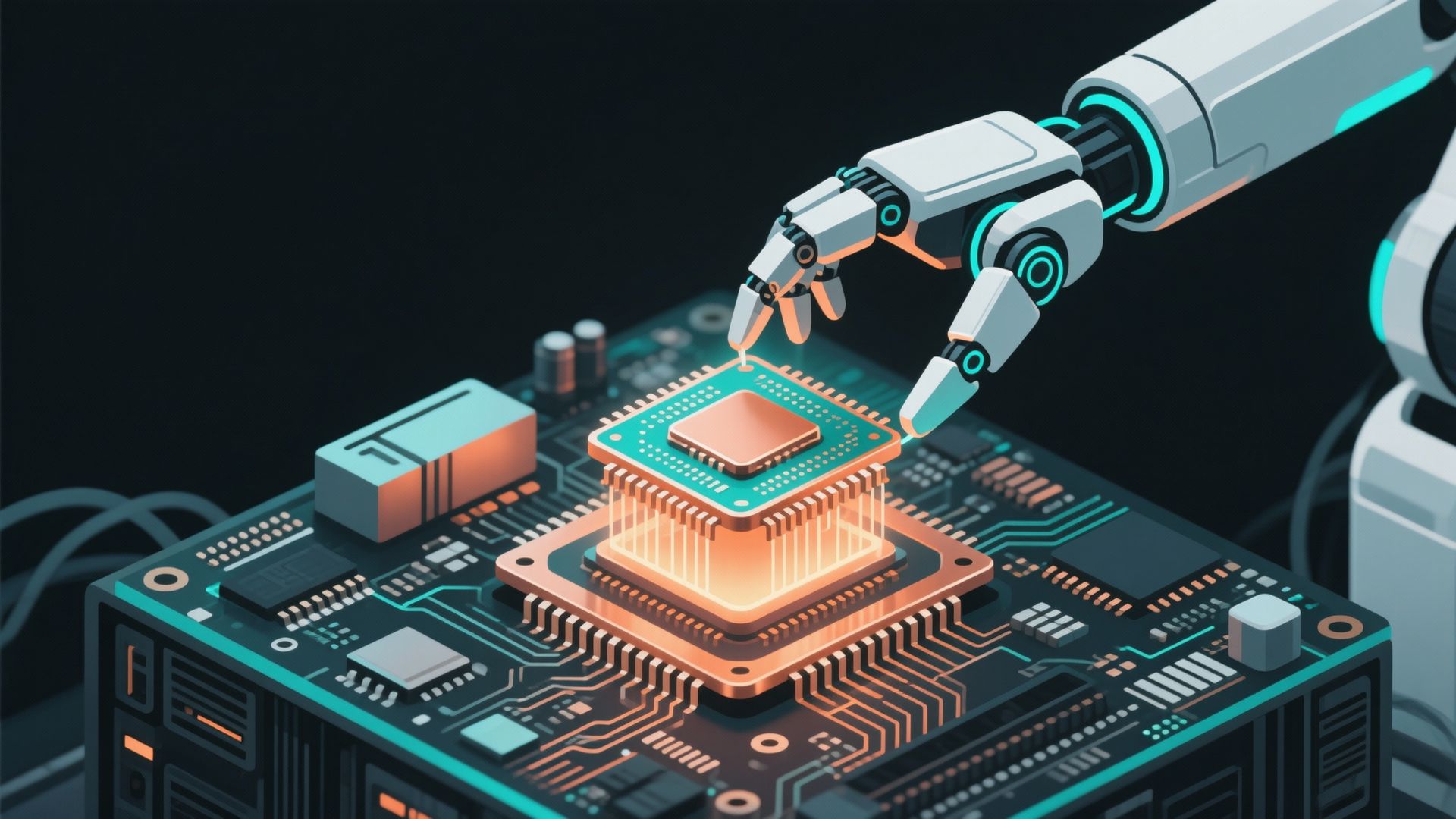
🔥 1. OpenAI Launches Its First Custom AI Chip, Partnering with Broadcom
OpenAI has officially entered the hardware sector with its first custom AI chip, built by Broadcom. This strategic move from a pure software company to hardware enables OpenAI to be more proactive in optimizing inference and reducing its dependence on Nvidia.
Source: TechCrunch
🤖 2. Qualcomm Spends $4B to Acquire Modular, Launches Dragonfly C1000 Chip for AI Data Centers
Qualcomm has officially challenged Nvidia and Intel in the AI data center sector by announcing the Dragonfly C1000 chip — optimized for AI agents, high performance, and low power consumption. Meta has signed a contract to deploy it from 2028. Additionally, Qualcomm has acquired Modular (a multi-architecture AI software startup) for approximately $4 billion, pushing its stock up 15% after trading hours.
Source: The Decoder
🏃 3. Brain Drain at Google: Key Gemini Personnel Join Anthropic
The talent crisis at Google AI continues to escalate. Jonas Adler and Alexander Pritzel — two key figures behind Gemini — are set to join Anthropic, following in the footsteps of Nobel laureate John Jumper and Gemini co-lead Noam Shazeer. According to SignalFire, DeepMind engineers are switching to Anthropic at a rate 11 times higher than the reverse. The main motivation: potential IPO stock from Anthropic/OpenAI.
Source: The Decoder
📊 4. Anthropic’s Claude Surpasses ChatGPT in Paid User Growth for the First Time
For the first time, Claude has surpassed ChatGPT in paid user growth. According to a report from TechCrunch, Claude is attracting paid users faster than ChatGPT — a market that OpenAI has dominated from the start. This is a sign that the AI consumer race is heating up, with Anthropic increasingly affirming its position.
Source: TechCrunch
🛡️ 5. Meta Replaces 50% of Content Moderation with AI, Switching from Gemini to Muse Spark
Meta has replaced about half of its content moderation with LLMs since early 2025 and aims to reach 90% by the end of the year. The company claims that its AI model makes 13% fewer errors than humans and detects 10% more violations. Notably, Meta has switched from Google Gemini to its own model, Muse Spark. However, internal employees warn that the deployment speed is too fast and lacks supervision.
Source: The Decoder