Backend
- Home /
- Categories /
- Backend

Systems Design for Advanced Beginners: Anatomy of Infrastructure from Simple Monolith to Production Scale
You have shipped a few small websites. You can stand up a CRUD app in Django, Laravel, or Gin in an afternoon. But then you look at the architecture behind a real platform - Stripe, GitHub, or a mid-sized marketplace - and wonder: what is actually behind the curtain, and how does it survive tens of millions of users?
Read More
Lore: Epic Games Open-Sources a VCS Built for Massive Binaries
Game repositories are not web repositories. In an engine the size of Unreal, most of the weight is binary assets, textures, meshes, world partitions, hundreds of MB to several GB each, churned by thousands of artists and developers. Git handles that badly: LFS is a bolt-on dragging whole 2 GB files, dedup is capped by pack deltas, partial clone plus sparse checkout is experimental, and offline means fail.
Read More
Practical System Design: The Quiet Elegance of Boring Architecture
Junior engineers often assume that impressive system design requires a complex web of microservices, event streaming through Apache Kafka, CQRS patterns, and distributed consensus mechanisms running across every cluster.
Read More
How I Keep Myself Alive Using Golang: Automated Incident Management for Type 1 Diabetes
How many grams of carbohydrates are in a pint of beer or a seemingly healthy salad? For most people, the answer is “who cares,” unless they are following a strict diet. But for approximately 8 million people living with Type 1 Diabetes (T1D) worldwide, this is a continuous, daily life-or-death question.
Read More
Lies We Tell Ourselves to Keep Using Golang
In the backend engineering community, Golang (Go) is frequently praised for its radical simplicity. From microservices at Google, Uber, and Grab to core infrastructure projects like Docker, Kubernetes, and Terraform, Go seems to be everywhere. Engineers routinely swap familiar praises: “Go is dead simple to learn,” “Concurrency in Go is practically free thanks to Goroutines,” and “The Go toolchain compiles instantly into a single self-contained binary.”
Read More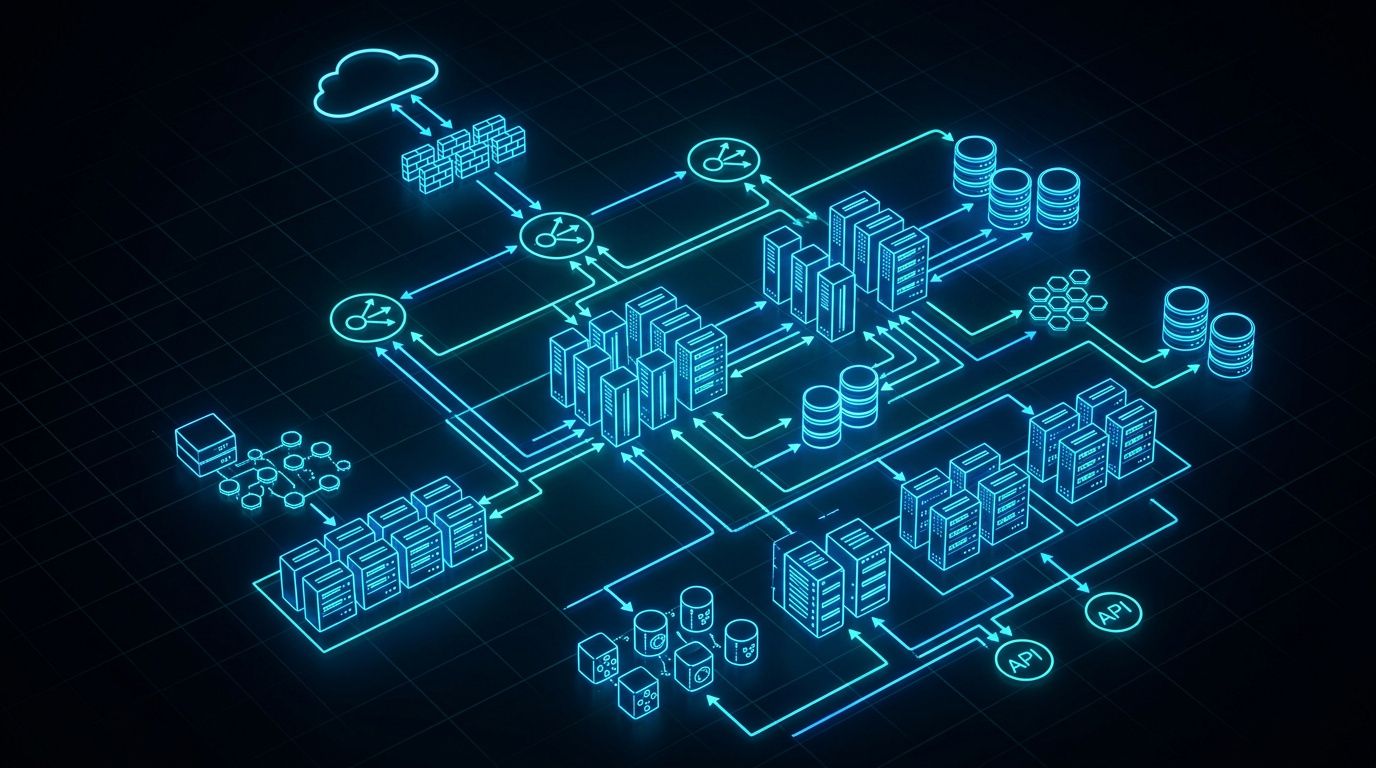
Software Architecture: Monolith, Microservices and the Distributed Monolith Trap
Many young Backend programmers tend to view software architecture models as a religion or a measure of skill. Microservices are often revered as the pinnacle of technology, Monolith is labeled as outdated, while Distributed Monolith - the worst state - is often mistaken for real microservices.
Read More
MySQL vs PostgreSQL from an interview perspective: Read/Write-Heavy and MVCC mechanism
MySQL vs PostgreSQL is a classic topic in backend engineer interviews. The interviewer asks this question not to hear you list superficial features like “Postgres supports JSON better” or “MySQL is more popular”. They want to assess your in-depth understanding of storage architecture, transaction control mechanisms, and how the system operates under various high-load conditions.
Read More
Golang disables Nagle's Algorithm by default: A performance trick on unstable networks
Hello everyone, today I want to share with you a funny and sad story that I and many of my fellow system engineers have experienced.
Read More
LeanCTX: Context Engineering Machine for AI Agents - Not Just Token Compression
Introduction: The Day I Realized I Was Fueling a Jet with My Wave It happened like this.
Read More
Headroom vs Aphrodite: The Context Compression War - Your LLM is Burning 90% of Tokens on Junk
$80 per Bookmark In April, I was debugging a trace why the service menu was returning 500. Claude Code ran, sent the stack trace in, loaded the service file, then sent the gateway file, and also sent the DB schema. 3 seconds later - bing - it responded. After reading it, I just sat there in silence.
Read More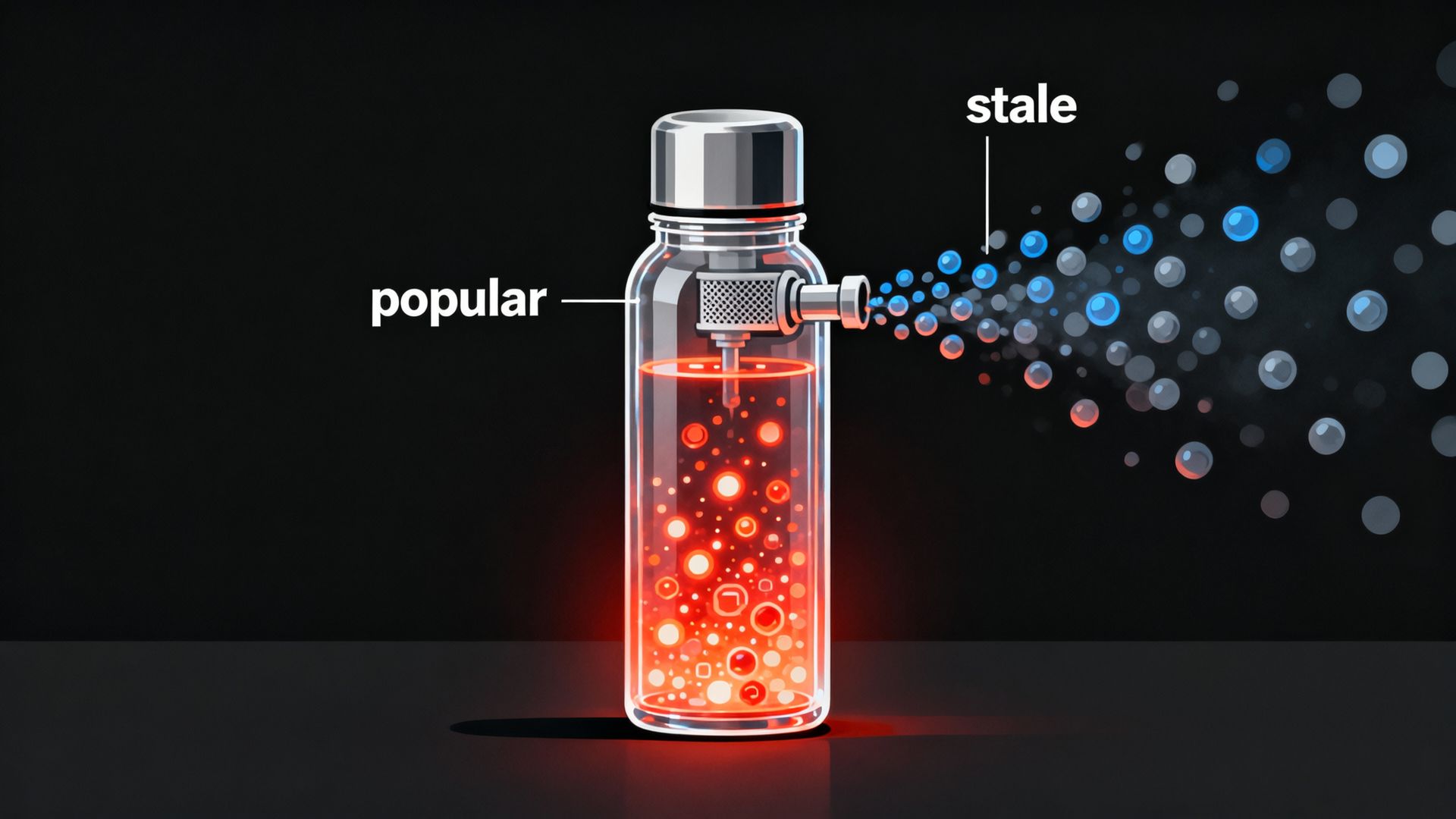
When to use cache and when not to
There is a production bug that I still remember vividly: user A cancels an order, but the app still displays “delivering” for the next 10 minutes. Support receives 30 tickets in one morning. The reason: cache TTL is 10 minutes, but no one invalidates it when the order status changes.
Read More
API Filtering: retrieving data like a coffee connoisseur
In my first year of working, I once wrote an endpoint GET /api/menus that returned… the entire menu. 200 items every time it was called. The JSON was 1.2MB heavy. The frontend only needed the name and price of 10 active dishes. I remember the first thing my lead said: “You’re sending the entire warehouse to someone who just needs to view the menu, aren’t you?”
Read More